
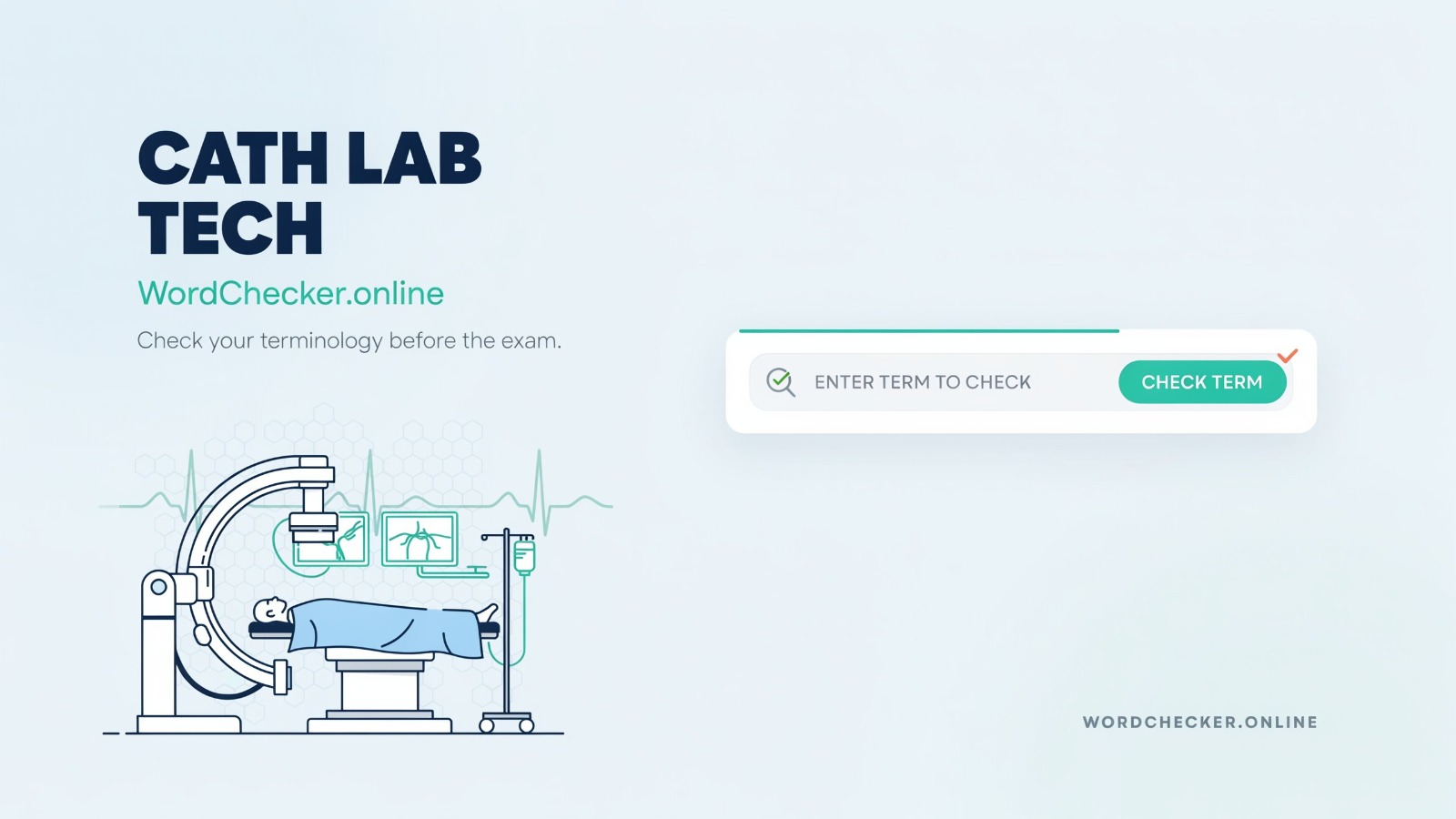
The healthcare sector is filled with rewarding careers, & one of the fastest-growing pathways happens to be becoming a cath lab tech. They are the front line providers who assist physicians with life-saving heart and vascular procedures, often in close proximity to high-tech medical devices.
If you are interested in a healthcare career that combines patient care, technical know-how, and solid earning power — and if the thought of working as a cath lab tech appeals to you, this just might be an ideal fit. This book will take you through what a cath lab tech does, skills needed, educational routes, pay range, certifications, job outlook and actionable steps on how to get into the profession.
Table of Contents
- What Is a Cath Lab Tech?
- What Does a Cath Lab Tech Do?
- Where Does a Cath Lab Tech Work?
- Skills Every Cath Lab Tech Needs
- Education Requirements
- Certifications
- How to Become a Cath Lab Tech
- Salary
- Career Outlook
- Pros and Cons
- FAQs
- Conclusion
What Is a Cath Lab Tech?
A cath lab tech (Cardiac Catheterization Laboratory Technologist) is a health care professional who helps cardiologists and other specialists during minimally invasive procedures to diagnose and treat heart and blood vessel conditions.In addition to this, these procedures include but are not limited to cardiac catheterizations, angioplasty, stent placements, pacemaker implants and many more cardiovascular procedures.
CAT heterotaxy in adult patientscarrierman.com 20 East Between the Lake and South Mountain mountainsofthesilence.wordpress.co Therapeutic pipe cavity transmission by means of microbubbles via airSPACE Blogspace1Billi s Technically, the true appropriate to speak lives in area.This makes it both technically challenging and immensely satisfying work because these procedures are complex often requiring precision but also working as a team
What Does a Cath Lab Tech Do?
The cath lab tech has diverse clinical and technical functions in the procedural prior, during, and post procedural time frame.
Before the Procedure
The technologist prepares for the patient by checking equipment, sterilizing instruments and ensuring proper function of imaging systems before the patient enters the catheterization laboratory.Typical responsibilities include:
- Preparing the procedure room
- Sterilizing medical instruments
- Testing imaging equipment
- Reviewing patient records
- Setting up monitoring devices
- Assisting with patient preparation
During the Procedure
The cath lab tech works in conjunction with the physicians, nurses and other clinical staff during the procedure.Common duties include:
- Operating imaging equipment
- Monitoring heart rhythm and vital signs
- Handing specialized instruments to physicians
- Assisting with catheter placement
- Maintaining a sterile environment
- Recording procedural information
Make decisions quickly and carefully; patient safety comes first.
After the Procedure
Your vocation is not over after the procedure, as you will still play a role in supporting patient care during recovery and prepping the lab for his next case.Post-procedure tasks may include:
- Cleaning and sterilizing equipment
- Restocking medical supplies
- Documenting procedure details
- Monitoring patients during recovery
- Assisting with post-operative care
Where Does a Cath Lab Tech Work?
Most cath lab techs work in modern hospitals with advanced cardiovascular technology.Common workplaces include:
- Hospitals
- Cardiac catheterization laboratories
- Heart and vascular centers
- Specialty cardiac hospitals
- Outpatient surgical centers
- Emergency cardiovascular departments
In addition, many experienced technologists serve as travel healthcare professionals that can move between different hospitals to take on short-term assignments for competitive pay.
Skills Every Cath Lab Tech Needs
A successful career in this line involves a blend of technical expertise, communicating ability, and a cool-headed approach.Some major skills involve:
Technical Skills
Basic knowledge of medical imaging systems, catheterization equipment, radiation safety and cardiovascular procedures required.
Attention to Detail
Heart procedures are a high-risk area and even small mistakes can be deadly. In this profession, one of the most precious qualities is accuracy.
Communication
Having worked with a few physicians, quite a few nurses and patients each day as a cath lab tech in the hospital itself. Improved teamwork and patients safety with clear communication.
Problem-Solving
Situations one might expect during the procedure can be unexpected. As the saying goes, you need to be quick on your feet when working as an emergency surgeon.
Physical Stamina
Numerous procedures can take hours, and technologists must maintain focus while on their feet in lead equipment for long periods of time.
Being a cath lab tech can be a very demanding yet rewarding job. It is a specialty that integrates high level medical technology with direct patient care and is particularly suitable for those who love healthcare, are team oriented, have career aspirations & lifelong learning interests! This includes educational requirements, certifications as well as an elaborative step by step procedure to become a cath lab technician.Get salary expectations, job outlook information along with pros and cons of being a cath lab techExplore FAQs & career tips from experts
Education Requirements for a Cath Lab Tech
Multiple educational pathways exist to becoming a cath lab tech, however they all require solid foundations in aspects of patient care, anatomy, physiology and medical imaging.Most employers prefer graduates from an accredited healthcare program as well as experience in a clinical setting.
1. Earn a High School Diploma or GED
Your journey begins from completing your senior secondary or its equivalent. You must take subjects like biology, chemistry, physics and maths these four form the basis of any foundation for further medicine studies.
2. Complete an Accredited Healthcare Program
Most hopefuls break into the field by way of one or more of these programs:
- Radiologic Technology
- Cardiovascular Technology
- Cardiovascular Sonography
- Invasive Cardiovascular Technology
Depending on if you go for an associate or bachelor degree, these programs typically take anywhere from 2–4 years.
3. Gain Clinical Experience
Clinical rotations provide aspiring cath lab tech professionals the opportunity to work with seasoned physicians and technologists in actual healthcare environments.
Clinical Training To ride out clinical training students learn to:
- Prepare patients for procedures
- Operate imaging equipment
- Maintain sterile techniques
- Monitor patient vital signs
- Assist during cardiac catheterization procedures
- Follow radiation safety protocols
One of the most incredible parts of your education is your hands-on experience.
Certifications for a Cath Lab Tech
While not all. the programs of professional certifications are required by an employer and area, having a credential can enhance your employability efforts and prove your ability level.Common certifications may include:
- Registered Cardiovascular Invasive Specialist (RCIS)
- Registered Radiologic Technologist (if entering through radiologic technology)
- Basic Life Support (BLS)
- Advanced Cardiovascular Life Support (ACLS)
Hospitals would most likely want to hire someone who has a certification because they have seen the Director in a real life situation and can back up their…
How to Become a Cath Lab Tech
If you are interested in this profession, these practical steps to follow.
Step 1: Complete High School
Take science and Maths subjects for health care education.
Step 2: Enroll in an Accredited Program
Select an accredited cardiovascular or radiologic technology program that includes clinical training.
Step 3: Complete Clinical Rotations
Hands-on experience working with patients, physicians and high tech equipment.
Step 4: Earn Professional Certification
Even though certification is not always necessary, it helps you to have a stronger resume that would lay the groundwork for better job prospects.
Step 5: Apply for Entry-Level Positions
Now that you have done your research and acquired all the skills needed to score an entry-level position in data science, it is time to apply for themOnce you are done with your studies and training, then apply for jobs in hospitals, cardiac centers and outpatient facilities..
Step 6: Continue Professional Development
Healthcare technology changes rapidly. Cath lab tech specialists update their knowledge on a regular basis via continuing education and professional training seminars.
Cath Lab Tech Salary
This is one variable differentiated by experience, education, certifications, employer and geographic location.Higher earners include skilled workers who have relevant qualifications or certifications, several years of experience, and specific skills.Factors that influence salary include:
- Years of experience
- Education level
- Certifications
- Hospital or healthcare system
- City or state
- Shift schedules and on-call responsibilities
Travel positions might also provide supplemental pay, housing assistance or additional benefits.
Job Outlook
Growing Subject: The need for cardiovascular healthcare experts keeps growing one year after the following as a result of an elderly residents and consciousness of heart disease.
Hospitals and cardiac specialty centers are also often looking for qualified professionals to assist in diagnostic and interventional procedures.
Because medical technology is rapidly advancing and minimally invasive treatments are becoming commonplace, there will be plenty of career opportunities for trained cath lab techs.
Pros and Cons
| Pros | Cons |
|---|---|
| Strong job demand in the healthcare industry | Procedures can be physically demanding |
| Competitive salary and benefits | Standing for long periods is common |
| Opportunity to help save lives | Emergency and on-call shifts may be required |
| Work with advanced medical technology | High-pressure environment during critical procedures |
| Excellent career growth opportunities | Continuous learning and training are necessary |
| Diverse work environments | Exposure to radiation requires strict safety measures |
| Meaningful and rewarding profession | Protective lead equipment can be heavy |
Frequently Asked Questions (FAQs)
1. What is a cath lab tech?
A cath lab tech is a healthcare professional who helps doctors during procedures related to cardiac catheterization and other minimally invasive cardiovascular techniques.
2. How long does it take to become a cath lab tech?
This duration often varies from 2–4 years, contingent upon the kind of program and clinical training requirements
3. Is certification required?
Requirements depend on the employer, though professional certifications are beneficial for improving job prospects and career advancement.
4. What skills are important?
You need to have the technical skills, along with communication skills, ability to work in a team environment, problem-solving and paying attention to last-minute details when working under pressure.
5. Is this a good career?
Yes. It provides high demand, market salaries, career advancement opportunity and a chance to have an impact on patient care.
6. Where do cath lab tech professionals work?
Often, they’re employed in hospitals, cardiac catheterization labs, heart centers and outpatient surgery centers.
7. Do cath lab tech professionals work night shifts?
Some employers offer evening, weekend, holiday or on-call shifts; many hospitals providing emergency cardiac care do.
8. Can I advance in this career?
Yes. With more education and experience, you can advance into leadership, teaching, administrative or specialty cardiovascular positions.
9. Is clinical training important?
Absolutely. It is important to note that clinical message provides more skill experience while preparing students in real life healthcare environments.
10. Is becoming a cath lab tech worth it?
If you are looking for healthcare, technology and patient care, the profession has much to offer in terms of long-term career development and fulfilment.
Conclusion
If you like the health care field but also enjoy interacting closely with people and want to be on the cutting edge of a specialized area within your profession, then pursuing a career as a cath lab tech will prove to be an outstanding choice for professionals in 2026. It is a perfect blend of excellent career opportunities with scope to grow professionally along with providing technical skills combined with treating patients empathetically.
If you are new to healthcare or changing careers entirely, working as a cath lab tech gives you the opportunity to work in a quick environment where your skills directly impact patients. With the right education, clinical training and certifications completed you can ensure yourself an absolutely fulfilling and stable career in one of the most essential fields of contemporary health field.